Studying abroad on a budget: What it really costs & how to plan

“Studying abroad with the Oregon State University College of Business has been one of the most rewarding decisions I’ve made in college. Every new country I’ve visited has challenged me to think differently, adapt quickly and appreciate new perspectives. I'm grateful for this chance to learn far beyond the classroom.”
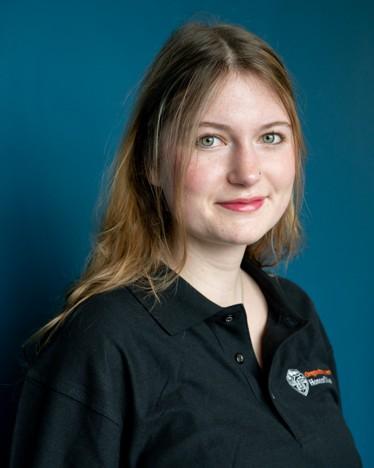
Hannah Ford
Studying abroad on a budget: What it really costs & how to plan
By Hannah Ford
Hannah Ford pursued the opportunity to study abroad on the College of Business Stonehill Exchange program, an overseas study program that allows students the chance to earn an international business option. While across the pond, she learned valuable skills and many tips and tricks on how to study abroad affordably. Looking to study abroad with the College of Business? Find out what to expect and how to budget.
Cost of exchange
Study abroad “exchanges” are gaining popularity among university students. Instead of having to pay large administrative program fees to travel abroad, an exchange allows students to pay a similar price to what they already pay at Oregon State. Ford said she paid the same amount of tuition she always pays at OSU and paid through the familiar OSU billing portal. Along with normal tuition, there was a one-time $500 international study program fee. Exchange allows for a more predictable cost because tuition is the same as your home university.
Scholarships

Your existing scholarships may carry over to study abroad. Many in-state scholarships such as the Finley Academic Excellence Scholarship and the Presidential Scholarship will carry over. For out-of-state students, the WUE scholarship is the exception and will not apply to study-abroad tuition because the student is no longer studying within Oregon.
If you are ready to do a little research, it could be cheaper to study abroad because it opens a host of scholarship opportunities to subsidize the cost. Ford logged onto ScholarDollars to see what was available to her. The OSU Global Opportunities Department has scholarships specifically reserved for students studying abroad. She filled out an application and received the Ali and Shahina Piyarali International Program Scholarship which covered her entire international study program fee.
There are many scholarships available to students within OSU, and many external scholarships that students may be eligible to apply for.
Getting your visa
Before even starting to study abroad, you will need a visa. Each country has a different process, but for most European countries you will need a Visa D. The cost of a Visa D is about $250 but can vary by country and allows the traveler to visit all countries in the EU. You will also need to make an appointment at a VFS Global Office or consulate. These locations might not always be in your state, and you would need to pay for travel to these locations. Ford traveled to San Francisco from Oregon which included a flight, hotel, and food. She scheduled her appointment months in advance and prepped the needed materials a few weeks before her appointment. The trip to San Francisco itself took two days. It took three months for her visa to come back in the mail.
Cost of living
There are thirteen different countries students can pick from the College of Business’ Stonehill Exchange, and they all vary in cost of living. There are high-cost options like Hong Kong or Sydney, Australia, but lower cost options in Bangkok, Thailand, and Murcia, Spain. Hannah chose to live in Vienna, Austria, for four months. Austria is one of the most expensive European countries, just under Switzerland and the Scandinavian countries.
While living in Vienna the price was comparable to a mid-sized city in the United States. Student housing was affordable, and Ford paid $700 a month with central housing close to campus. While living in Corvallis, rent ranges around $600 to $900 a month. Rent in Vienna was on the lower end of what a student might pay in Corvallis.
Food costs will vary depending on how much you travel and eat out. Groceries for Ford ranged from $117 to $290, and eating out ranged from $117 to $350 each month. In total, she spent around $350 to $450 a month on food in one of the most expensive cities in Austria.

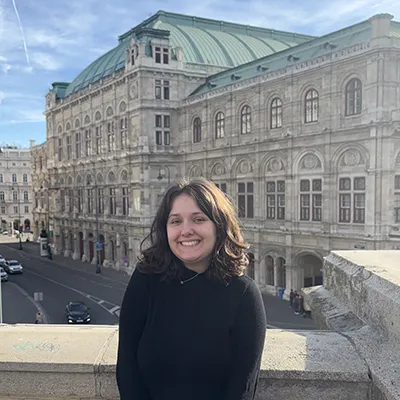

Get used to public transportation! Ford relies on a car to navigate Corvallis, but she could not ship it overseas. Instead, she had to brave the well-developed public transportation system in Vienna, outfitted with subways, trams and buses. A student semester pass was $90 and covered the duration of her stay.
Learn about this opportunity!
Looking for more information on the College of Business Stonehill Exchange? Find the eligibility requirements, deadlines and host countries here. Most students study abroad in their junior or senior year and typically apply by January 20 of the previous school year for a fall-term send-off.
An international phone plan can be more expensive. Using your normal carrier’s international plan can cost up to $100 per month, which was what Ford paid. If you are looking for a more affordable option, consider purchasing an eSIM at a lower cost before leaving the United States or when you arrive at your destination.
OSU Global Opportunities automatically applies international health insurance which can cover up to $500,000.
Startup costs
Be aware that there may be a few initial costs when entering the country. Ford paid a student union fee to the host university of $30 and a $60 fee to a government registration office to live in Austria.
Traveling on a budget

Now, you have arrived at your new home and want to do some traveling while you are there. To make the most of her trip, Ford traveled every weekend to a new place. Make sure to plan trips at least two weeks in advance to get the best prices. Use public transportation when it is available in new countries. Hostels were a new experience before studying abroad, but by the end they felt like home. Check HostelWorld for the most reputable hostels, but book directly through the hostel's individual website for a cheaper price.
Skyscanner is the best way to find affordable flights. Most of the time this meant flying Ryanair. Flix Bus had affordable driving options, and trains were often more expensive but more comfortable ways to explore locations close to your home city.
Ford’s cheapest trip was to Budapest, Hungary, for a weekend. For a total of $90, she bought a hostel stay, roundtrip bus ticket and river cruise. Food was $30 per day by purchasing from the grocery store. The most expensive trip was to Switzerland for four days. The flight was $250, and the hostel was $270. Food was around $60 per day, and public transportation was $150. A quick trip up one of the mountains in the Swiss Alps cost $120. This full trip was $970. Travel costs depend on where you go and what you do. On average, a weekend will cost around $200-$400 including travel, hostel, food and activities.
Takeaways
It is completely possible to study abroad affordably and with little extra cost. Tuition stays the same, and scholarships are there to help. The cost of living is comparable to Corvallis and other U.S. cities. Look out for startup costs when getting your visa and getting settled into the country. Travel cheaply and travel often to maximize one of the most memorable experiences of your life.
Looking for more information on the Stonehill Exchange? Find the eligibility requirements, deadlines and host countries here. Most students study abroad in their junior or senior year and typically apply by January 20 of the previous school year for a fall-term send-off.
Vienna? ... hong kong? ... lund? ... bangkok?
Where do you want to go?
Students majoring in business degrees have specialized choices when it comes to studying abroad with the Stonehill International Exchange Program.
Related Blogs