Information Systems
Organizations rely on increasingly complex systems to manage data and operations requiring skilled IT professionals to lead change in the rapidly evolving field of information systems and technology. With the master of science in information systems, you'll gain the advanced knowledge necessary to lead large-scale projects, improve systems and drive results.
The program is career-focused and pragmatic, emphasizing how to use information systems to solve real business problems. You don’t need extensive technical experience to succeed in this program and graduate prepared to lead in IT. You’ll complete your degree through electives, allowing you to customize your education to meet your career goals, and you'll graduate with experience that supports third-party certifications.
The MSIS can be completed fully online or in-person in Corvallis.

Overview
The master of science in information systems equips graduates to lead the rapidly evolving intersection of technology and business. By integrating information systems, analytics, management and applied AI, the program prepares students to design, deploy and manage the complex digital infrastructures organizations rely on. With concentrations in cybersecurity management, business analytics and AI, and geographic information sciences, our graduates gain advanced, industry‑aligned expertise.
The degree addresses critical workforce shortages in areas such as AI deployment, systems development and data architecture. Graduates emerge ready for high‑stakes challenges in technology and strategy that shape the digital future, preparing for leadership roles in cybersecurity, systems design, project management and senior roles such as chief information officer.
What you’ll learn
Learn how to align information systems with organizational goals, using technology to improve business performance, support innovation, and create competitive advantage.
Develop the skills to collect, analyze, and interpret data, turning insights into informed business decisions that drive operational and strategic success.
Understand how to protect information assets, manage security risks, and support effective technology governance in an increasingly complex digital environment.
Program statistics
Job placement rate for graduates of the OSU graduate business programs
Ranked Oregon graduate business programs
Expected growth in "Computer and Information Systems Managers"
Learning outcomes
Conduct research or produce some other form of creative work
Demonstrate mastery of subject material.
Conduct scholarly or professional activities in an ethical manner.
Analyze business processes and requirements to design and develop effective information systems and business applications that support organizational goals and enhance operational efficiency.
Evaluate the performance, security, and usability of business information systems and applications, identifying areas for improvement and implementing necessary enhancements to optimize functionality and user satisfaction.
Integrate business applications and information systems with existing enterprise systems and databases to ensure seamless data flow, interoperability, and alignment with organizational objectives.
Collaborate effectively with stakeholders, including business analysts, project managers, and end-users, to ensure that developed information systems and applications meet user needs and business objectives.
Apply ethical and legal considerations in the design, development, and governance of business information systems and applications, ensuring compliance with relevant standards, policies, and regulatory frameworks.
Ways to attend
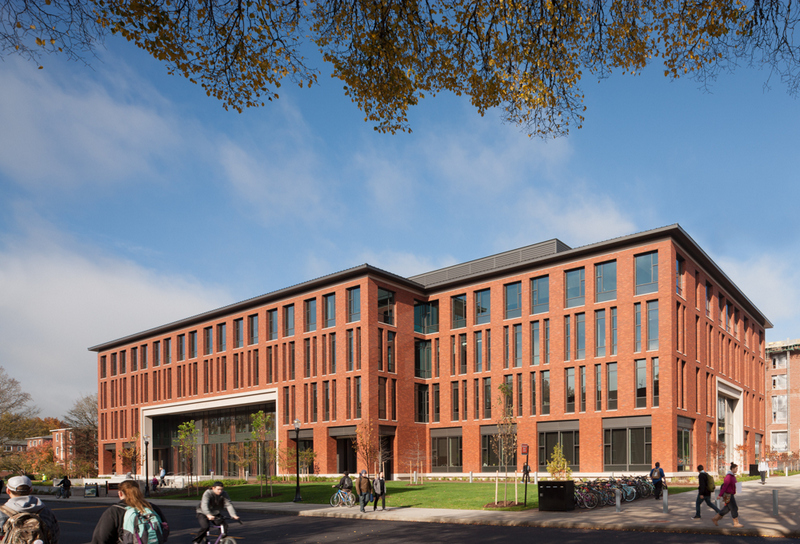
Attend classes in Austin Hall, the $50 million, 100,000-square-foot building with five research centers, a marketing research suite, 10 classrooms, 23 computer- and teleconference-equipped project rooms, a 250-seat auditorium, a café and faculty offices.

Study from anywhere and earn one of our 100% online, fully AACSB-accredited business degrees. Nationally top-ranked for online learning, our classes are taught by business faculty who are known for research excellence and industry experience.
Request more information
Get started today.
Student stories



More ways to take your skills to the next level
Deepen your understanding and explore specialized areas with these continuing education courses.